

What is the difference between copper bushings and other types of bushings?
Nov 02, 2026
When it comes to mechanical components, bushings play a crucial role in various applications. They are used to reduce friction, support loads, and provide a smooth and stable operation for machinery. Among the different types of bushings available in the market, copper bushings stand out due to their unique properties and advantages. In this blog, as a copper bushing supplier, I will delve into the differences between copper bushings and other types of bushings.
Material Composition
One of the most fundamental differences lies in the material composition. Copper bushings, as the name suggests, are primarily made of copper or copper alloys. Copper is known for its excellent thermal conductivity, high ductility, and good corrosion resistance. These properties make copper bushings suitable for applications where heat dissipation is important, such as in high - speed machinery.
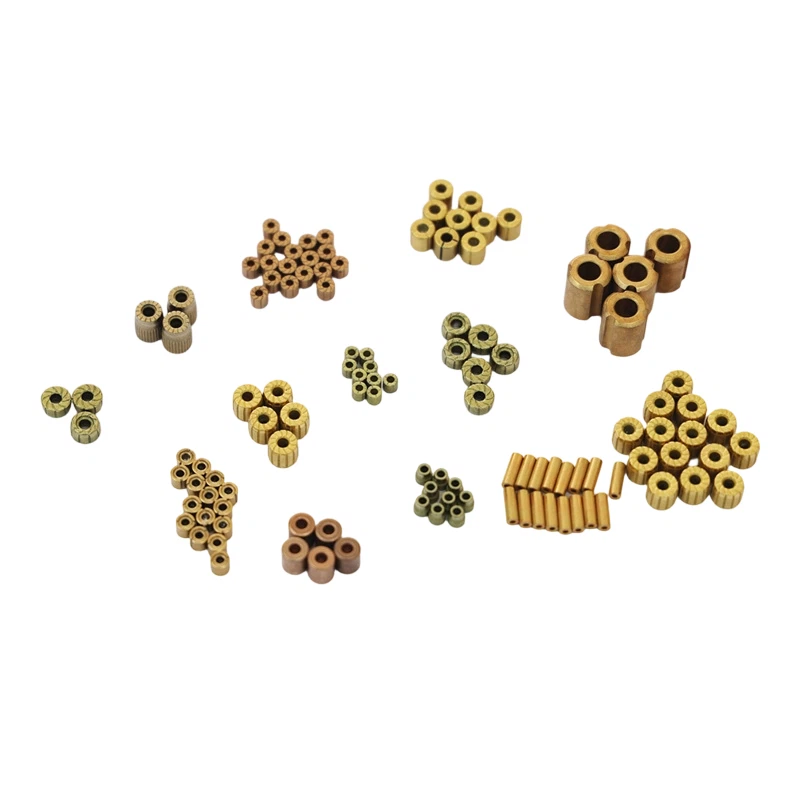

On the other hand, there are other types of bushings made from different materials. For example, polymer bushings are made from various plastics such as PTFE (Polytetrafluoroethylene) or nylon. Polymer bushings are lightweight, have low friction coefficients, and are often used in applications where noise reduction and self - lubrication are required. Another type is bronze bushings, which are also copper - based but have a different alloy composition compared to pure copper bushings. Bronze bushings are known for their high strength and wear resistance, making them suitable for heavy - load applications.
Performance Characteristics
Friction and Wear Resistance
Copper bushings generally have a relatively low friction coefficient, which helps in reducing energy loss during operation. Their high thermal conductivity allows them to dissipate heat generated by friction effectively, preventing overheating and wear. However, in some cases, polymer bushings may have even lower friction coefficients, especially when they are self - lubricating. For instance, PTFE - based polymer bushings can provide extremely smooth operation with minimal friction.
In terms of wear resistance, bronze bushings often outperform pure copper bushings. The alloying elements in bronze, such as tin, lead, or zinc, enhance its hardness and wear - resistant properties. This makes bronze bushings a better choice for applications with high - load and high - wear conditions, such as in heavy machinery and automotive engines.
Load - Bearing Capacity
Copper bushings can handle moderate to high loads, depending on their size and design. Their ductility allows them to deform slightly under load without cracking, which helps in distributing the load evenly. However, for very high - load applications, steel or cast - iron bushings may be more suitable. Steel bushings have high strength and can withstand heavy loads, but they may require more maintenance due to their susceptibility to corrosion.
Temperature Resistance
Copper bushings have good temperature resistance due to their high thermal conductivity. They can operate effectively in a wide range of temperatures, from relatively low to moderately high temperatures. Polymer bushings, on the other hand, may have limitations in high - temperature applications. Most polymers start to soften or degrade at relatively low temperatures compared to metals. For example, some nylon bushings may lose their mechanical properties at temperatures above 100°C.
Applications
The differences in material properties and performance characteristics result in different application scenarios for copper bushings and other types of bushings.
Copper Bushings
Copper bushings are widely used in electrical applications due to their excellent electrical conductivity. They are also commonly found in machinery where heat dissipation is crucial, such as in electric motors and generators. Additionally, copper bushings are used in plumbing systems because of their corrosion resistance. You can learn more about copper bushings at Copper Bushing.
Other Types of Bushings
Polymer bushings are often used in consumer products, such as household appliances and office equipment, where noise reduction and self - lubrication are important. Spherical Oil - impregnated Bearings are a type of bushing that can accommodate misalignment and are commonly used in industrial machinery and automotive applications. Hollow bearings, as described at Hollow Bearings, are useful in applications where weight reduction is a priority, such as in aerospace and robotics.
Cost Considerations
Cost is an important factor when choosing between different types of bushings. Copper bushings can be relatively expensive compared to polymer bushings, especially if they are made from high - purity copper or special copper alloys. However, their long - term performance and durability may justify the higher initial cost. Polymer bushings are generally more cost - effective, especially for low - load and non - critical applications.
Conclusion
In conclusion, copper bushings have their own unique advantages and characteristics that set them apart from other types of bushings. Their excellent thermal conductivity, good corrosion resistance, and moderate load - bearing capacity make them suitable for a wide range of applications. However, depending on the specific requirements of the application, other types of bushings such as polymer bushings, bronze bushings, or steel bushings may be more appropriate.
If you are in need of high - quality copper bushings or have any questions about the selection of bushings for your application, please feel free to contact us. We are a professional copper bushing supplier with extensive experience and a wide range of products to meet your needs.
References
- "Mechanical Design Handbook", various authors
- "Materials Science and Engineering: An Introduction", William D. Callister, Jr. and David G. Rethwisch